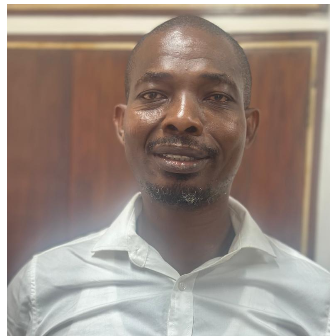
Mr Michael Uchunor
… I faced stroke head-on, came back stronger – Eniola
… Stroke took my strength, but I found my voice to warn others – Michael
By Chioma Obinna
On a warm afternoon in March 2025, what should have been a routine charity event became a life-or-death turning point for Mrs. Eniola Omoro Akintunde.
Seated among dignitaries at her NGO’s annual IJOYA event, the founder of the Niola Cancer Care Foundation suddenly appeared unwell. She had brushed off earlier symptoms as malaria.
But this time, someone noticed.
“The Chief Medical Director of Olabisi Onabanjo University Teaching Hospital (OOUTH) in Sagamu, at the table said it looked like paralysis,” Eniola told Good Health Weekly.
“The CMD insisted I leave immediately for an MRI. That decision saved my life,” she recalled.
Within hours, she was in emergency care. What began as a suspected facial condition quickly revealed something more serious, a stroke-related neurological episode.
“After two months, I couldn’t walk properly. My face had shifted. Part of my mouth is still affected,” she said.
Yet, the warning signs had been there all along.
Before the incident, Eniola remembered she had swollen legs, chest pain, fluctuating blood pressure, and chronic insomnia.
“I was hypertensive. I wasn’t sleeping. I was under intense stress. I burned out. Stress can kill.”
According to her, running a cancer NGO in Nigeria had taken a physical and emotional toll on her.
Daily exposure to late-stage diagnoses and the pressure of advocacy pushed her body beyond its limits.
“Even walking regularly in Nigeria’s challenging healthcare environment took a toll. Seeing more late-stage cancer cases daily drained my strength and affected my health”
Recovery and lifestyle overhaul
Drawing from her expertise in colon cancer awareness, Eniola turned to nutrition and discipline.
She became intentional about what she ate, removed harmful foods, reduced her workload, and introduced light exercise into her routine.
Progress came slowly, but steadily.
“But the main issue that caused what happened to me on 29th of March, 2025, was stress. We should reduce stress.
“Stress can kill. All this one we are talking about, you have a tissue, you have mild stroke, it’s stress, it’s still lifestyle. It can be reversed.
Today, Eniola can walk, eats independently, and continues her advocacy with a renewed message:“Let your food be your medicine.”
Eniola said: “We are poisoning ourselves with chemicals in food,” she says. “From pesticide-treated beans to artificially ripened produce, it is dangerous.”
“Healthcare is not cheap. But prevention is something we can all take seriously,
Look into your kitchen,” Eniola added.
Her story is one of interruption, a life paused suddenly and rebuilt with care, caution, and clarity. But it is not an isolated experience.
Across Nigeria, similar stories are unfolding quietly, often without the timely intervention that saved her life.
While Eniola’s story showed how timely intervention saved her, not every survivor is as lucky. Michael Uchunor’s stroke experience highlights the struggle many face without early recognition.
For Michael Uchunor, the moment came differently without early recognition, and with consequences that would reshape his life entirely.
“It affected my strength, my speech, my independence,” Michael said.
Michael who is now the founder of the Michael and Francisca Foundation told Good Health Weekly, that like many Nigerians, he never imagined he was at risk.
But in hindsight, the signs were there, persistent headaches, fatigue, dizziness, and unmanaged high blood pressure.
“I didn’t understand how serious they were,” he admitted.
He told Good Health Weekly, that the stroke forced him into a difficult journey of rehabilitation, one that required him to relearn basic tasks and adjust to a new way of living.
“One of the hardest parts was losing independence. Not being able to do simple things for myself was overwhelming.
“This was emotionally and physically overwhelming.
“Today, I stand not just as a survivor, but as a voice for millions who are going through similar experiences. My journey inspired me to establish the Michael and Francisca Foundation to ensure that others do not suffer in silence and have access to information, care, and support.
“Looking back, there were warning signs that are often ignored by many people.”
But survival reshaped his purpose.
Today, Uchunor has turned his experience into advocacy, working to raise awareness, promote prevention, and support stroke survivors and caregivers.
He recounted: “Stroke is not the end. It is a new beginning that requires support and action.
“My story is a testimony that survival is possible, and together, we can reduce the burden of stroke in our communities. Take your health seriously,” Uchunor added.
Beyond the stories of Eniola and Michael, experts have warned that what happened to both survivors reflects a much larger and growing crisis.
Uchunor stressed the importance of early detection, recognising facial changes, arm weakness, and speech difficulty as urgent warning signs.
According to the World Health Organisation, WHO, stroke is one of the leading causes of death and long-term disability worldwide, with developing countries bearing the heaviest burden.
The World Stroke Organisation estimated that one in four adults globally will experience a stroke in their lifetime, largely driven by preventable risk factors.
In Nigeria, the burden is becoming increasingly visible. Stroke is now a leading cause of death and disability, worsened by late hospital presentation, limited access to specialist care, and low awareness.
For Dr. Kingsley Akinroye, the Executive Director of the Nigerian Heart Foundation, NHF, the link is even broader, and more urgent.
“Heart disease is the number one killer disease in the world, especially in developing countries. And stroke is one of its major consequences.”
According to him, the danger lies in how interconnected these conditions are.
“When stroke happens, it affects the brain, but it is rooted in the heart and blood vessels. The same process can damage the kidneys and lead to kidney disease,” he explained.
“That is why we are seeing rising deaths not just from stroke, but from heart and kidney diseases across Africa.”
He pointed to a common thread running through these illnesses:, lifestyle.
“The most important thing in prevention is food,” Akinroye insisted.
“There is hardly any disease, whether cancer, heart disease, or even conditions like diabetes that food does not affect.”
He also warned that Nigeria is facing a growing risk from changing consumption patterns, with processed and imported foods increasingly replacing healthier local options.
He said combined with tobacco use, physical inactivity, alcohol consumption, and even air pollution, these factors are accelerating the crisis.
He also identified communication as greatest challenge.
“People need to understand what is happening and what they can do to prevent it.”
Life Eniola and Michael, though their experiences differ, both survivors’ stories echo this reality. Poor lifestyle choices, unmanaged health conditions, and lack of awareness continue to put millions at risk.
They warned that stroke is no longer a distant threat. Increasingly, it is affecting younger Nigerians.
Both survivors also highlight the financial burden of recovery. From specialist consultations to physiotherapy and long-term medication, stroke care remains costly.
Together, their stories form a powerful warning and a call to action.
They urge stronger public health education, better food regulation, improved healthcare access, and more support for survivors. But beyond policy, they insist change must begin at home.
Today, both stand not as victims, but as voices.
While Eniola continues her advocacy with a deeper understanding of survival, Uchunor works to ensure others do not suffer in silence.
Their journeys are different, but their message is one: Stroke can happen to anyone but it can also be prevented. The survivors warned that Nigeria can no longer afford to ignore rising cases of stroke.
Stroke can happen to anyone but it can also be prevented. Take charge of your life today.


Comments
Please login to leave a comment.
No comments yet. Be the first to share your thoughts!