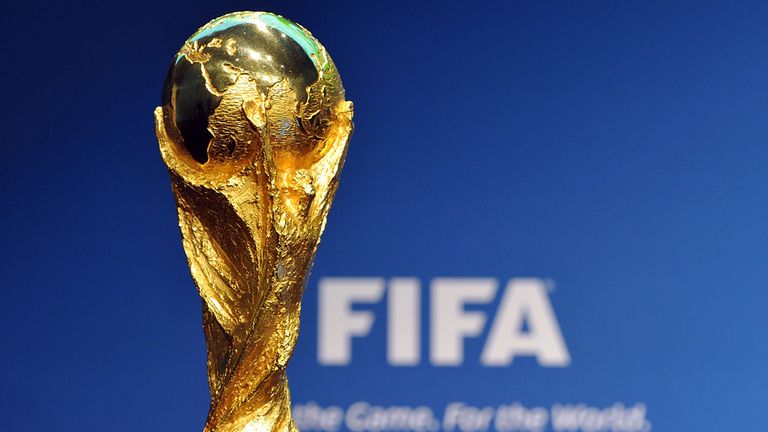
The FIFA World Cup serves as the pinnacle of international football, where powerhouse nations often dominate, yet occasionally, a lesser-known country manages to secure a spot alongside the giants, defying expectations with their determination and skill.
The method of determining the "smallest" country typically involves considering the population at the time of their inaugural World Cup appearance or most notable qualification, as this reflects the available talent pool for the nation, and as of 2026, the landscape of this list has undergone significant changes due to the tournament's expansion and recent historic qualifications.
There are now 7 countries that hold the distinction of being the smallest to have qualified for the World Cup, with populations that are remarkably small compared to the global footballing community.
Curaçao, with a population of approximately 156,000, has earned the distinction of being the smallest country to qualify for the World Cup, achieving this feat in 2026 and surpassing the previous record held by Iceland, demonstrating that even a tiny population can produce a world-class team.
Curaçao's historic qualification for the 2026 World Cup, which has been expanded to 48 teams, marks a significant milestone for the Caribbean island nation, which has made its debut on the global stage.
Previously, Iceland held the record as the smallest nation to qualify, with a population of around 334,000, and their journey to the 2018 World Cup in Russia was marked by a remarkable run in the Euro 2016 tournament.
Iceland's participation in the 2018 World Cup was notable for their memorable "Thunder Clap" chant and a team that included a part-time filmmaker, coach Heimir Hallgrímsson, and a professional goalkeeper who also worked as a director, as they secured a 1-1 draw against Argentina in their opening match.
Cape Verde, with a population of approximately 525,000, has also qualified for the 2026 World Cup, earning the nickname "Blue Sharks" and becoming the third-smallest nation to achieve this feat after a decade of impressive performances in the Africa Cup of Nations.
Trinidad and Tobago, with a population of around 1,300,000, held the record for 12 years after qualifying for the 2006 World Cup in Germany, where they drew 0-0 against Sweden, led by Dwight Yorke and coached by Leo Beenhakker, despite playing with 10 men for much of the second half.
Northern Ireland, with a population of approximately 1,400,000, was the smallest nation to qualify for nearly half a century, from 1958 to 2006, and their 1958 debut was marked by a spectacular quarter-final appearance, which remains one of the greatest per-capita achievements in the history of the sport.
Paraguay, with a population of around 1,500,000 at the time of their 1950 qualification, was a small nation when they first appeared in the World Cup in 1930 and 1950, but they have since become a consistent force in South American football, despite being dwarfed by neighboring countries like Brazil and Argentina.
Kuwait, with a population of approximately 1,600,000, qualified for the 1982 World Cup in Spain, marking a "Golden Era" for the nation as the first Arab team from the Gulf region to reach the finals, paving the way for other Middle Eastern countries to follow in their footsteps in subsequent decades.


Comments
Please login to leave a comment.
No comments yet. Be the first to share your thoughts!