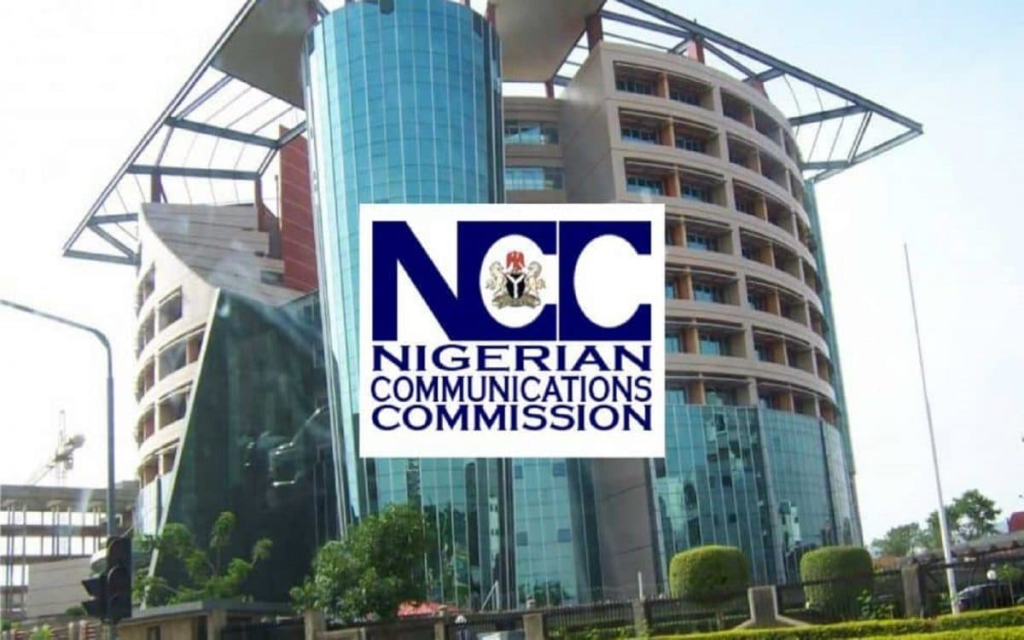
Nigerian Communications Commission Chairman, Idris Olorunnimbe, recently shared a poignant anecdote about the daily frustrations of Nigerians with poor Internet connectivity, a problem that lies at the doorstep of telecom operators regulated by his commission.
Olorunnimbe's 9-year-old daughter epitomized the nation's plight when she burst into his room, visibly frustrated, and exclaimed, "Mr NCC Chairman, the Internet is not working!" just days after his appointment as NCC Board Chairman.
This unusual outburst from a child who normally greets her father with joy highlights the extent of Nigerians' patience wearing thin as they wait for reliable internet services that often fail to materialize despite exorbitant costs for bandwidth that vanishes into thin air.
The complaints about poor internet services are widespread, with users bemoaning WhatsApp calls that never complete, depleted mobile data, and frozen YouTube content, all of which underscore the scarcity of effective solutions to this persistent problem.
Chairman of the Association of Licensed Telecom Operators of Nigeria, Engr. Gbenga Adebayo, echoed these frustrations, citing the indiscriminate damage to over 540 kilometers of fibre backbone cables by state contractors as a major factor affecting network reliability.
Adebayo emphasized that contractors often embark on federal or state road projects without notifying operators, despite telecom companies having paid Right-of-Way fees, and that damages to these cables have significant consequences, including disruptions to banking systems, schools, and hospitals.
Adebayo lamented the lack of consequences for such damages, stating that the principle of accountability should be straightforward: "if you destroy it, you must fix it," but this is rarely the case, leading to a tendency to repeat the offense.
Olorunnimbe acknowledged the telecom sector's structural vulnerabilities, noting that two years ago, the industry's sustainability was under strain, but decisive actions brought some stabilization, which must now be protected.
Olorunnimbe emphasized the importance of accountability, stating that telecom infrastructure is no longer optional and that if networks go down, everything comes to a halt, including commerce, communication, education, and healthcare systems.
He pledged to ensure that if a contractor damages telecom infrastructure, work must stop and repairs must be made before proceeding, and that his commission would escalate enforcement discussions with sub-national governments and the presidency to protect Critical National Infrastructure.
Olorunnimbe stressed that Critical National Infrastructure must translate into practical safeguards, with clear and swift consequences for damage to infrastructure, whether negligent or deliberate.
Despite these assurances, the reality remains that Nigerians continue to cry out for robust internet services, plagued by poor internet connectivity that disrupts daily life, from incomplete WhatsApp calls to depleted mobile data and frozen online content.


Comments
Please login to leave a comment.
No comments yet. Be the first to share your thoughts!