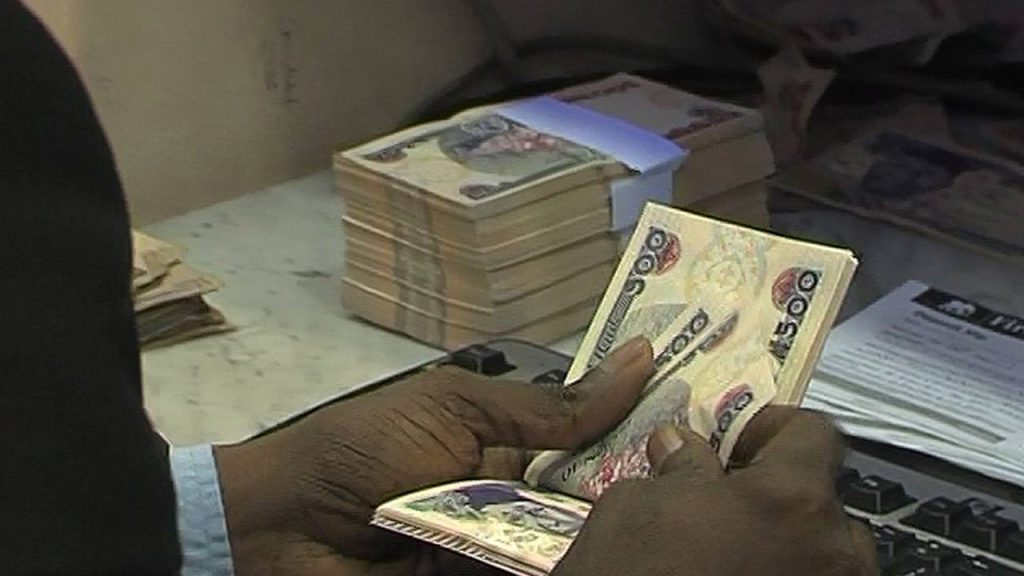
The Naira's value plummeted to a two-month low, hitting N1,425 per dollar in the official market yesterday, as escalating conflict in the Middle East fueled a surge in dollar demand.
According to data from the Central Bank of Nigeria, the indicative exchange rate for the Naira jumped from N1,398 per dollar last weekend to N1,425 per dollar, marking a N27 depreciation for the currency.
The Naira had been gaining ground in the official market since February 17, reaching a peak of N1,337 per dollar early last week before embarking on a gradual decline to N1,395 by last weekend.
Cumulative losses over the past three weeks totaled N88, as the local currency struggled to maintain its value.
In the parallel market, the Naira also experienced a downturn, slipping to N1,410 per dollar from N1,405 per dollar the previous week.
The disparity between the parallel and official markets widened to N15 per dollar, up from N7 per dollar last weekend, reflecting heightened volatility in the forex market.
An investigation by Vanguard revealed that the Naira's depreciation, which worsened over the past week, was largely driven by rising dollar demand from Foreign Portfolio Investors exiting the country due to increased risk perception stemming from the US/Israel and Iran conflict.
A banking industry source disclosed that the Central Bank of Nigeria intervened in the forex market last week, injecting $500 million to mitigate the impact of rising dollar demand from exiting FPIs on the Naira.
Analysts at Financial Derivatives Company attributed the Naira's decline to "intensified demand for the U.S. dollar driven by escalating Middle East tensions).
Analysts at Cowry Asset Management confirmed this development, noting that "the naira weakened across both exchange channels on Monday, reflecting heightened currency pressures across both the regulated official segment and the informal foreign exchange market.


Comments
Please login to leave a comment.
No comments yet. Be the first to share your thoughts!