
Livestock sector can drive Nigeria’s economy – Experts
Key Takeaways30-sec read
- n Yusuf highlighted salient areas the government needs to work on to make the sector attractive to investors.
- n He said: “Attracting substantial private capital into livestock production will require deliberate government action to address the sector’s structural constraints.
- Across the world, agriculture—including livestock—is supported through infrastructure, research, finance, risk mitigation and other public-sector enablers.
By Gabriel Ewepu
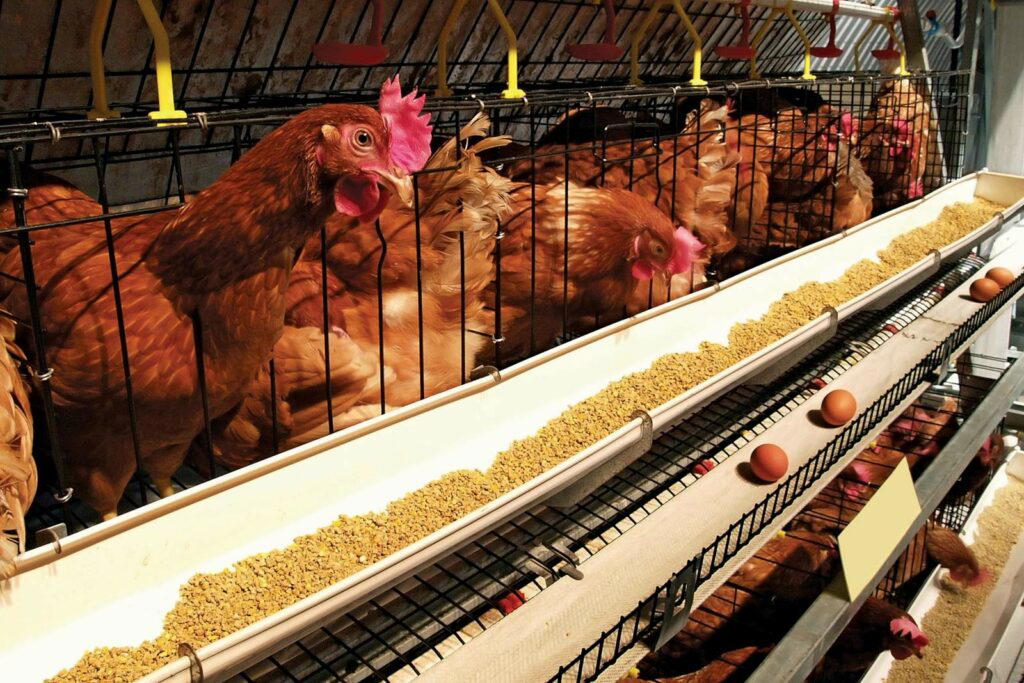
nIt is projected that Nigeria’s livestock sector has a huge potential and holds a projected contribution up to US$32 billion to the country’s Gross Domestic Product, GDP, within the next 10 years if the private sector is properly positioned to drive the sector with the enabling environment provided.
nSpeaking with Vanguard Agrobiz, the Chief Executive Officer, Centre for the Promotion of Private Enterprises, CPPE, Dr Muda Yusuf, said the private sector is the catalyst to unlock the potential of Nigeria’s livestock industry.
nYusuf highlighted salient areas the government needs to work on to make the sector attractive to investors.
nHe said: “Attracting substantial private capital into livestock production will require deliberate government action to address the sector’s structural constraints. Across the world, agriculture—including livestock—is supported through infrastructure, research, finance, risk mitigation and other public-sector enablers. Nigeria cannot expect livestock investors to operate competitively without a similar institutional framework.
n“Government should facilitate properly planned livestock production and processing clusters for cattle, poultry, goats and other livestock.
n“These clusters should provide: Secure and appropriately titled land; Water, veterinary and animal-health services; Reliable power supply; Feed-production and storage facilities; Cold-chain infrastructure; Processing and slaughtering facilities; and Efficient transport and market logistics.
n‘‘Commercial lending rates of 30–35% are incompatible with the production cycles and expected returns in livestock agriculture.
n“The sector requires concessionary, long-tenor financing supported by the government through development-finance institutions, credit guarantees, blended-finance structures and livestock insurance’’.
nThe Chairman, Farmers and Herders Initiative for Peace and Development FHIPD-Africa, Dr Salim Umar, stressed the need for the government to intentionally roll out mouthwatering incentives and support for investors as a strategy to galvanize Nigeria’s livestock sector while speaking on other things government should do.
nDr Umar said: “The recent creation of a full pledge ministry to explore and manage the potentials therein by the federal government is commendable. The private sector can key into the noble programmes rolled out by the ministry to invest in the whole value chain of the industry which is untapped.
n“Government should make attractive incentives and support investors to open this sector properly. Massive awareness towards modern livestock farming, ranching and upgrading of livestock research institutions should be prioritised’’.
n nReader Reactions12 votes
What is your take on this story? Tap an emoji to react.
Related Stories
 Business & Economy
Dangote Refinery Raises Alarm Over 22 Sabotage Attempts by Nigerian Workers
By RealNaijaGist News Reporters rnDecember 19, 2025rnrnDangote Refinery has raised serious concerns over what it described as unpatriotic and delibera
 Business & Economy
Rabiu, Elumelu strengthen partnership as BUA Foods hits N1.77tn revenue
A meeting between leading Nigerian industrialist, Abdul Samad Rabiu, and banking executive, Tony Elumelu, has signalled renewed collaboration between capital and industry, as BUA Foods posted strong financial results for 2025. Rabiu, founder and chairman of BUA Group, hosted Elumelu and his execu...
 Business & Economy
NNPCL Pledges to Make a Difference in the Lives of Over 200 Million Nigerians
The NNPC Limited has reaffirmed its commitment to improving lives across Nigeria, stating that its success is measured not only by oil production but also by the number of people positively impacted.n