
Globe's third-tiniest nation undergoes official renaming
Key Takeaways30-sec read
- n This change will also result in the country's international code being updated from NRU to NRO, and its citizens will be referred to as dei-Naoero, rather than Nauruan.
- n The previously widely recognized pronunciation of "Now-roo" has given way to "Now-ero", as the nation seeks to reclaim its traditional name, according to a recent statement posted on the government's Facebook page.
- n In January, President David Adeang proposed the name change to Parliament, stating that the move aimed to "faithfully honor our nation's heritage, our language, and our identity".
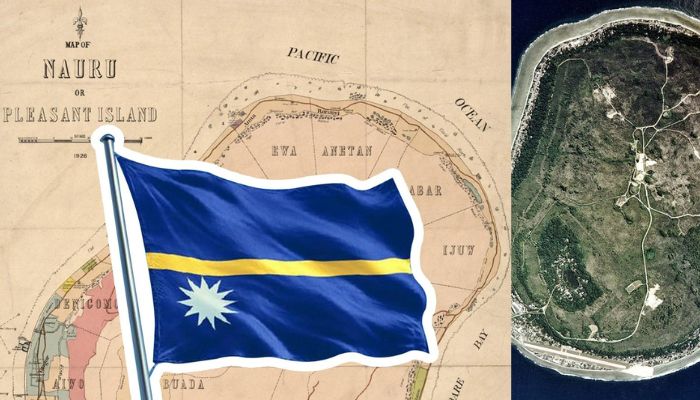
The Pacific Island nation of Nauru has undergone a name change, with President David Adeang announcing that it will now be known as the Republic of Naoero, aligning with the spelling and pronunciation used in the national language.
nThis change will also result in the country's international code being updated from NRU to NRO, and its citizens will be referred to as dei-Naoero, rather than Nauruan.
nThe previously widely recognized pronunciation of "Now-roo" has given way to "Now-ero", as the nation seeks to reclaim its traditional name, according to a recent statement posted on the government's Facebook page.
nThe decision to adopt the name Nauru internationally was initially made due to the difficulty foreigners had in pronouncing the local name, with convenience being the primary motivator, as stated in an earlier government announcement.
nIn January, President David Adeang proposed the name change to Parliament, stating that the move aimed to "faithfully honor our nation's heritage, our language, and our identity".
nThe proposed constitutional amendment garnered support from lawmakers in the required two rounds of voting, although it is unclear whether the document has been formally amended at this time.
nWith a population of 12,000 residents, Nauru holds the distinction of being the world's third-smallest country by population, trailing only Tuvalu and Vatican City.
nThe small coral limestone atoll has a complex history, having been colonized by Germany and later administered by Australia, before gaining independence as a republic in 1968, with phosphate mining generating significant wealth on the island in the 1970s.
Reader Reactions12 votes
What is your take on this story? Tap an emoji to react.
Related Stories
 Tech & Innovation
Tompolo Makes Rare Public Appearance in Bayelsa, Visits Former President Jonathan
The leader of the Movement for the Emancipation of the Niger Delta (MEND) and Chairman of Tantita Security Services Nigeria Limited, High Chief Govern
 Tech & Innovation
Gov Oborevwori Urged to Sack Delta Commissioner Ebikeme Clark Over Misappropriation of Burial Funds, Underperformance, Asset Theft, Unlawful Arrest of His Uncle
Gov Oborevwori Urged to Sack Delta Commissioner Ebikeme Clark Over Misappropriation of Burial Funds, Underperformance, Asset Theft, Unlawful Arrest of
 Tech & Innovation
Chief Inko Brightstar Applauds Hon. Joseph Alakere for Attracting Gigantic NDDC Projects to Opuama Kingdom
A chieftain of the All Progressives Congress (APC) and President of the Concerned Citizens of Opuama Kingdom, Chief Inko Brightstar, popularly known a