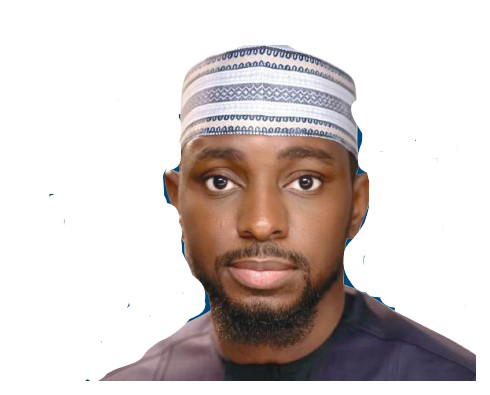
Abdulquawiy Abdulganiyu Olododo
Before Abdulrahman Abdulrazaq stepped into office as Kwara Governor, Ilorin wore the look of a quiet city waiting to be noticed. COVID 19 hit it badly. The airport, in particular, told a familiar story, one of hesitation and neglect. Daily flights? That was a luxury the state could hardly boast of.
Back then, the economy simply didn’t have the muscle to sustain the kind of business and social buzz that keep airlines interested. Operators came, looked around, did the math and quietly stayed away. For those who dared, it was a gamble. Only one airline kept the route alive, and even then, flights were anything but reliable.
Then came Abdulrazaq, and with him, a shift in tempo.
Rather than patching symptoms, his administration went for the roots. Moribund companies got a second look, key sectors like education, health, and agriculture were confronted head-on, and infrastructure became more than a talking point, it became a mission. Roads stretched smoother across the city, new structures began to rise with confidence, and urban spaces started to breathe again.
Slowly but surely, Kwara found its rhythm.
Today, the story has changed. Insecurity is a concern in some border areas but generally life is better than it used to be. Activities in Ilorin say a lot about the renewed economic pulse of the state. The city is no longer waiting to be discovered; it is announcing itself.
Across Kwara, there’s a visible transformation. Roads don’t just connect, they impress. Architecture isn’t just functional, it inspires. Public spaces are gaining character, and empowerment programmes are weaving governance into the daily lives of the people. For many indigenes, politics aside, there is a growing sense of pride in what is unfolding.
Behind the scenes, key figures are driving this machinery. Aminat Ahmed El-Imam oversees the health sector, while Lawal Olohungbebe steers education. Their efforts, alongside others, form the backbone of the administration’s broader agenda.
To get a closer look at these developments, we spoke with Abdulquawiy Abdulganiyu Olododo, a prominent APC chieftain and commissioner for works in the last week of March. During the interview, he offered insights into both the strides and the struggles of governance under Abdulrazaq.
In this edition, we bring you images and excerpts from Olododo’s reflections on infrastructure development over the past seven years, what he describes as bold, far-reaching, and in many ways unprecedented since the creation of the state.
In a conversation with Saturday Editor Onochie Anibeze and Demola Akinyemi, Olododo lays out what he believes are the defining infrastructure achievements that have carved Abdulrazaq’s name into Kwara’s history.
Education and health will take the spotlight in subsequent editions.
For now, the focus is clear: This is part of Kwara’s infrastructure story told through the eyes of a man who has watched it unfold, brick by brick, road by road.
What was the state of infrastructure and roads in Ilorin and indeed Kwara state about seven years ago,when Governor AbdulRahman AbdulRazaq was sworn in as the governor and what is it like now?
When His Excellency, Governor AbdulRahman AbdulRazaq, assumed office in 2019, the condition of our road infrastructure was frankly deplorable. Many critical routes had collapsed, township roads were neglected, and several communities were practically cut off.
The administration had to begin with emergency interventions just to restore basic mobility.
Today, the difference is clear and measurable. We have transitioned from just repairs to a structured, statewide infrastructure programme. Across Kwara, we have completed 330.77km of kilometres of roads, with 257.96km ongoing, spanning urban renewal, rural access, and major connecting Local Government corridors.
What you see today is not just road construction, it is a deliberate rebuilding of the state’s economic backbone.
In the past seven years, what would you describe as the most significant milestones your ministry has achieved in road construction and infrastructure development?
The most significant milestone over the past seven years would be the scale and structure of the work done.
His Excellency has embarked upon more road infrastructure than the combined previous administrations since 1999, (882.73km) including the Federal Government Tax credit scheme intervention. But beyond numbers, we have changed the philosophy, from isolated projects to a coordinated development agenda.
A major highlight is the Rural Access and Agricultural Marketing Project (RAAMP), which connects farming communities to markets. The Governor was also able to facilitate a strategic intervention to achieve a ring road for the State through the innovative Tax credit scheme of the Federal Government spanning over 290km of road.
So the milestone is not just roads, it is connectivity, productivity, and long-term planning.
Can you provide insights into the number and scale of projects completed under your leadership, and how these have impacted economic growth and connectivity across the state?
We are looking at hundreds of kilometres of roads across the state, completed, ongoing, and facilitated through partnerships. To properly break it down, we have 330.77km of road already completed, 257.96km ongoing, including the 209.77km of the RAAMP project, and also the 294km of the Federal Government intervention he facilitated is also ongoing with about 72km of it completed as we speak.
At different points, we have handled well over a hundred projects simultaneously across the three senatorial districts. These range from urban renewal road projects in Ilorin to township roads across the state, to strategic rural roads and major economic corridors.
We have also completed over 200 interlocking projects across several communities in Kwara State. The very first of its kind in the history of kwara state.
These interlocking projects were introduced to serve communities that have been deprived of road network since the creation of the state, and now they are accessible. Also, places that were swamped with water, muddy neighborhoods, now wear a new look, accessible, and cleaner due to the interlocking projects.
The impact of these projects have been profound, from reduction in travel time across key routes, to Improved access to markets for farmers, to Lower transportation costs, to Increased commercial activity, etc. Infrastructure is the foundation of economic growth, and we are already seeing those benefits materialise across Kwara.
What innovative strategies or policies has the ministry introduced to improve project delivery, quality, and cost efficiency during this period?
For smooth project delivery and quality, we have deployed a system that allows the leadership of the ministry have a real time update on all awarded projects being supervised by our qualified Resident Engineers, we have also invested in the training and retraining of all our engineers to ensure they are up to date with the required exposure necessary to match the 21st century demand, and our ambition with infrastructure development in the State.
Second, we have a diversified funding sources, combining state resources, development partner support, and intervention model like the tax-credit financing.
Third, we emphasised value for money delivery ensuring that projects meet standards without unnecessary cost inflation.
How has your ministry addressed challenges such as funding constraints, contractor performance, and maintenance of existing infrastructure?
These challenges you’ve mentioned are real, but with the kind of leadership we have in Kwara today, we’ve been able to manage the challenges with discipline, structure, and tunnel focus vision.
On funding, we prioritised projects and leveraged partnerships to stretch resources further.
On contractor performance, we insist on strict adherence to specifications and timelines. Accountability is key.
On maintenance, we moved away from ad-hoc repairs to a system-driven approach, it’s why you are also seeing the massive rehabilitation and upgrades of most of our roads.
The goal is simple: every kilometre of road must deliver long-term value to the people.
In what ways have your projects improved the daily lives of citizens, particularly in rural and underserved communities?
The impact of these projects is very real and very human.
In our rural communities, these are not just roads, to them, it means;
• Farmers getting produce to market without losses
• Easier access to healthcare and education
• Lower transport costs
• Improved quality of life
While for the urban residents, it means reduced traffic stress, better drainage, safer roads, aesthetically pleasing environment, and a more vibrant business environment.
We fully understand Infrastructure is not just concrete and asphalt, it is dignity, opportunity, and inclusion.
You must be the lucky ministry going by the massive works your ministry is doing. Do you agree with this? And looking back, how proud are you about the things the govt of Abdulrahman Abdulrazaq has achieved?
I would not describe us as merely lucky, I would say we have been privileged to work under a governor who made infrastructure a serious development priority and backed that priority with political will. Road development at this scale does not happen by chance. It requires vision, budgeting, institutional discipline, follow up, and the readiness to think outside the box as funds required for these level of developments go beyond the regular budgetary allocations. It’s where the RAAMP and FG Intervention comes to play.
Personally, I would say I am proud because the achievements are visible and measurable.
When official figures show that this administration has exceeded the combined road records of the previous three administrations, that says something important about ambition and execution. Beyond the numbers, I am proud that the works have touched all three senatorial districts and have begun to reposition Kwara from a largely salary dependent state to one that increasingly thinks in terms of productivity, connectivity, agribusiness, tourism, and investment. To put it in proper context, we have completed 113.57km of roads in Kwara Central, while 65.5km are ongoing, totaling 179.07km in Kwara central. In Kwara South, 117.74km of roads have been completed, while 96.19km are ongoing, totaling 213.93km. In Kwara North, we have completed 99.46km, whil 96.27km are ongoing, totaling 195.73km. Also, of the 294km of the Federal Govt. Tax credit scheme intervention, 252km of it connects the Kwara North senatorial district upto the border of Kwara with Benin republic through Baruteen LGA, while the 42km left connects Kwara Central to Kwara South senatorial district.
What legacy projects or reforms would you say will have the most lasting impact, and how do they position the state for future development? The AA govt appears to have made things easy for the next APC governorship candidate in Kwara. Your parting words on this!
The most enduring legacies, in my view, are not just individual roads but the systems and strategic corridors we are leaving behind. From the road network of high impact corridors across the state, especially the rural access roads and the facilitated tax-credit road projects that will improve internal and interstate economic movement. Also, is the broader urban renewal and infrastructure agenda, which has changed the development conversation in Kwara from managing decline to planning growth.
Politically, when people can see and feel the impact through roads, infrastructure, and improved livelihoods like we are witnessing in Kwara State today, then naturally it builds confidence in continuity.
My parting words would be that the most important thing is not the ease of politics, but the continuity of progress. Kwara has seen what focused leadership can achieve, and the task ahead is to deepen that progress, protect the reforms, and keep development people-centered.


Comments
Please login to leave a comment.
No comments yet. Be the first to share your thoughts!