
Experts in global health warn that aggression and unequal treatment of women are driving an uptick in antibiotic-resistant diseases.
Key Takeaways30-sec read
- Global health experts have sounded the alarm that violence against women, stigma surrounding infectious diseases, and deep-seated gender ine...
- Key updates and context verified by RealNaijaGist correspondents.
- Full details and ongoing developments highlighted below.
Global health experts have sounded the alarm that violence against women, stigma surrounding infectious diseases, and deep-seated gender inequalities are fueling the rise of drug-resistant infections worldwide, warning that antimicrobial resistance cannot be contained without addressing these barriers to healthcare.
nThese experts argue that antimicrobial resistance is often misconceived as solely a medical or scientific problem caused by the misuse and overuse of antibiotics, when in fact social factors such as gender norms, violence, and unequal access to healthcare play a major role in driving the crisis.
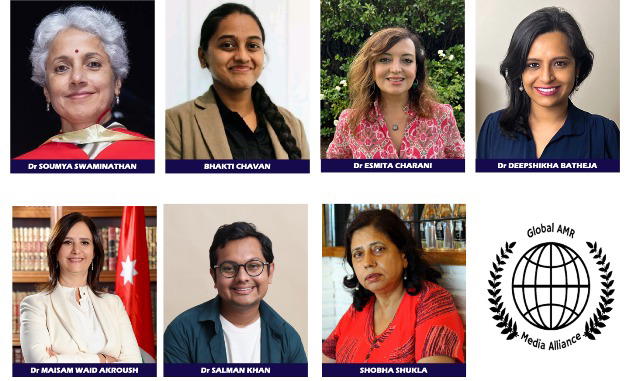
nDuring a dialogue session on the theme "AMR Under Gender Lens", health experts emphasized that gender-based violence is a hidden driver of infections and antibiotic use among women, with Bhakti Chavan, a survivor of extensively drug-resistant tuberculosis and a member of the World Health Organisation Task Force of AMR Survivors, stating that "AMR is not gender neutral".
nChavan stressed that to effectively combat AMR, it is essential to listen to women, diagnose them early, ensure proper treatment, and design policies that consider women's realities, highlighting that stigma surrounding diseases such as tuberculosis and HIV further exacerbates the problem by discouraging women from seeking diagnosis and treatment.
nAccording to Chavan, women diagnosed with these illnesses often face judgment and discrimination within their communities, with their character, marriage prospects, and role as a wife or mother being questioned, leading many women to hide their illness or delay seeking care.
nFormer Chief Scientist of the World Health Organisation, Dr Soumya Swaminathan, noted that women facing intimate partner violence or domestic abuse often suffer untreated injuries and infections that later require antibiotics, putting them at a high risk of domestic violence, physical or sexual, which can lead to infections.
nSwaminathan pointed out that sexual violence can increase the risk of sexually transmitted infections, urinary tract infections, and reproductive tract infections, conditions frequently treated with antibiotics, and that limited access to healthcare means many women receive incomplete or incorrect treatment, accelerating antimicrobial resistance.
nWomen facing unplanned pregnancies who undergo unsafe abortions are also at a higher risk of infections and antibiotic exposure, according to Swaminathan, who also stressed that gender intersects with other factors such as poverty, migration, race, and rural residence.
nSwaminathan cited the example of rural women farmers who manage livestock and agriculture while caring for their families, highlighting that these women may have less financial autonomy and limited access to health centres, leading to neglected or inappropriately treated infections.
nPublic health experts emphasized that national action plans on antimicrobial resistance must address gender inequality and violence against women to control the crisis, with Swaminathan urging governments to integrate gender-based violence indicators into AMR policies and improve diagnostic testing to reduce unnecessary antibiotic use.
nAssociate Professor at the University of Cape Town, Dr Esmita Charani, noted that interruptions in treatment allow bacteria to survive and evolve, contributing to the global rise of drug-resistant infections, and that findings have shown that gender norms and economic inequalities also influence how antibiotics are accessed and used.
nDr Charani stated that women often have limited decision-making power within households and healthcare systems, frequently prioritizing the health of other family members over their own, and that in many households where healthcare expenses must be paid out-of-pocket, male family members are often prioritized for treatment.
nDr Deepshikha Bhateja, Principal Research Scientist at the Indian School of Business, noted that social and cultural norms around education, financial control, and caregiving responsibilities also influence women's ability to access healthcare, reducing their access to sanitation, healthcare services, and essential medicines.
nBhateja said these factors reduce women's health-seeking behaviour and increase susceptibility to infections, and that research shows women are prescribed significantly more antibiotics than men in some countries, while greater female education and workforce participation are associated with lower antibiotic consumption.
nDr Mayssam Akroush, founding president of the Pan Arab Women Physicians Association, noted that despite these challenges, women can also play a central role in combating antimicrobial resistance, influencing health decisions within families and communities as mothers, leaders, teachers, prescribing doctors, and pharmacists.
nAkroush stated that educating women about responsible antibiotic use could help influence an entire population, saying "if we educate women, we educate communities", and that women are in a great position to lead change on irrational antibiotic use.
nShobha Shukla, chairperson of the Global AMR Media Alliance, noted that the consequences of failing to control antimicrobial resistance are already visible in tuberculosis, with the number of drug-resistant TB cases worldwide remaining stubbornly high for decades, from around 400,000 cases in 2000 to similar numbers in 2024.
nShukla emphasized that the world had the science, tools, and evidence to prevent this, but misuse and overuse of medicines allowed resistance to persist, and that AMR is not just about microbes, but about power, inequality, and whose health matters.
nThe advocates stressed the importance of improving sanitation, strengthening healthcare access, and ensuring women have the power to make decisions about their health, warning that with less than five years remaining to achieve global development goals, ignoring these social drivers could undermine efforts to control one of the world's most serious public health threats.
Reader Reactions12 votes
What is your take on this story? Tap an emoji to react.
Related Stories
 Tech & Innovation
Tompolo Makes Rare Public Appearance in Bayelsa, Visits Former President Jonathan
The leader of the Movement for the Emancipation of the Niger Delta (MEND) and Chairman of Tantita Security Services Nigeria Limited, High Chief Govern
 Tech & Innovation
Gov Oborevwori Urged to Sack Delta Commissioner Ebikeme Clark Over Misappropriation of Burial Funds, Underperformance, Asset Theft, Unlawful Arrest of His Uncle
Gov Oborevwori Urged to Sack Delta Commissioner Ebikeme Clark Over Misappropriation of Burial Funds, Underperformance, Asset Theft, Unlawful Arrest of
 Tech & Innovation
Chief Inko Brightstar Applauds Hon. Joseph Alakere for Attracting Gigantic NDDC Projects to Opuama Kingdom
A chieftain of the All Progressives Congress (APC) and President of the Concerned Citizens of Opuama Kingdom, Chief Inko Brightstar, popularly known a