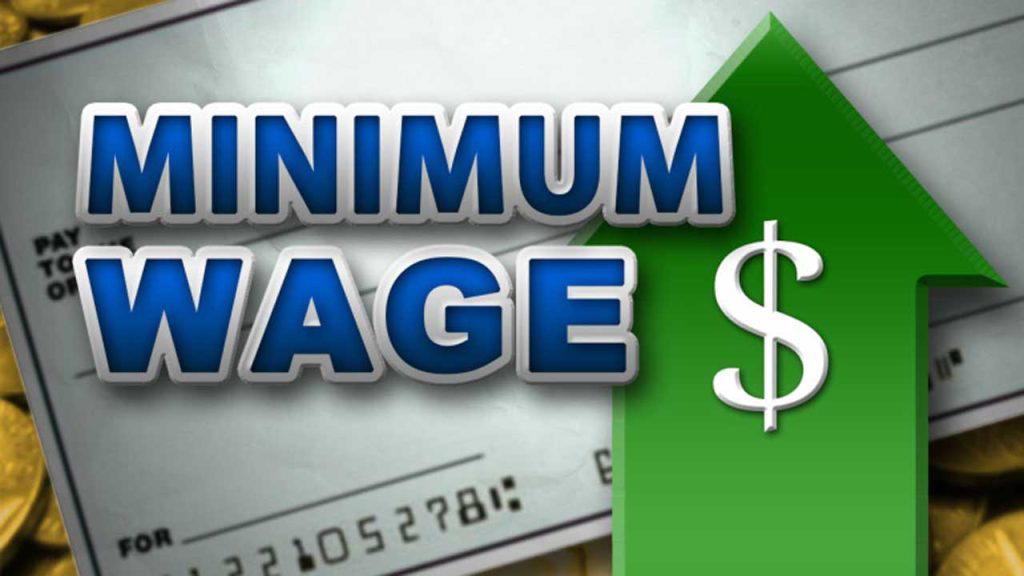
The National Public Service Negotiating Council, NPSNC, is seeking a significant increase in the minimum wage to N154,000, which represents a 120 per cent upward review of salaries and allowances for public workers in Nigeria, in an effort to alleviate the economic hardships faced by these workers.
This demand was outlined in a letter addressed to the Office of the Head of the Civil Service of the Federation, dated March 12, 2026, with reference number JNPSNC/Gen/Cor/Vol 1/163, and was jointly signed by National Chairman JNPSNC, Benjamin Anthony, and National Secretary, Olowoyo Gbenga.
The letter was prompted by an exhaustive meeting of the JNPSNC held on Monday, March 9, 2026, at the AUPCTRE National Secretariat, Wuse Zone 4, Abuja, Federal Capital Territory, where the council's national leadership called for an urgent review of public servants' salaries and allowances.
According to the council, public service workers continue to face severe economic hardship due to rising costs of living and declining purchasing power, despite their significant contributions to the country.
Nigeria has experienced unprecedented economic pressures, including high inflation, increased fuel prices, and escalating costs of food, housing, healthcare, and education, which have eroded the real value of workers' salaries and made it difficult for many to maintain a decent standard of living.
The council noted that the last major adjustments to workers' remuneration have not kept pace with current economic realities, resulting in many workers struggling to meet basic financial obligations, which has affected morale, motivation, and productivity within the public service.
The national leadership of the Joint National Public Service Negotiating Council is advocating for an immediate and comprehensive review of the existing salary structure and allowances to reflect current economic conditions and ensure fairness, equity, and sustainability in workers' remuneration.
Workers in the Nigerian Public Service have demonstrated remarkable patience, professionalism, and commitment to their duties despite economic difficulties, but concrete steps must be taken to safeguard their welfare and dignity.
The council has called on the office of the Head of the Civil Service of the Federation to initiate the necessary processes for an upward review of salaries and allowances of public servants in Nigeria, and has proposed several measures, including immediate negotiations and the development of new salary templates.
The proposed new salary templates would increase the minimum salary payable to an officer on Grade Level 01 Step 1 to N154,000 per month for Federal Public Servants, representing a 120 per cent increase in salaries and allowances.
The council has also proposed harmonising wages across all Ministries, Departments, and Agencies, introducing automatic, periodic salary and allowance adjustments to align with inflation rates, and implementing non-monetary incentives such as subsidised transportation and affordable housing for civil servants.
A timely upward review of public servants' salaries and allowances is seen as not only an economic imperative but also a social necessity to ensure the sustenance of the workforce, maintain industrial harmony, and improve the efficiency of public service delivery.
The council has reiterated its commitment to constructive dialogue with the government, seeking a fair, sustainable, and mutually beneficial outcome for all stakeholders, and has warned that failure to address the issue may lead to social unrest.
The national leadership of the council has commended President Bola Ahmed Tinubu for approving 100 per cent gratuity payment to retiring federal public servants, which represents a major step towards improving the welfare of retiring public servants.
The approval is seen as a positive development and a bold step towards ensuring that retiring public servants can escape the life of servitude and serfdom often experienced after leaving public service, and is a profound acknowledgement of the invaluable contributions of civil servants to public service and national development.
Copies of the letter were sent to several key officials, including the Minister of Finance and Coordinating Minister for the Economy, Wale Edun, the Minister of Labour and Employment, Alhaji Mohamed Daginyadi, and the Executive Chairman of the National Salaries, Income and Wages Commission, Ekpo Nta.


Comments
Please login to leave a comment.
No comments yet. Be the first to share your thoughts!