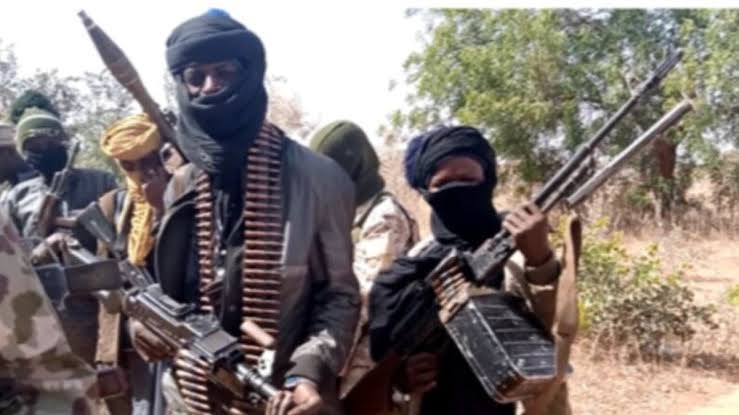
The Supreme Council for Shariah in Nigeria has voiced deep concern over the country's deteriorating security landscape, urging the Federal Government to take immediate and decisive action to curb the escalating violence, kidnappings, terrorism, and banditry. The Council's Secretary-General, Nafiu Baba Ahmad, issued a statement highlighting the need for urgent intervention.
Despite repeated assurances from government officials that security challenges are being addressed, Nigerians continue to face daily reports of violent crimes, with the Council lamenting the alarming level of insecurity. The recent incidents in Borno State, Oyo State, Niger State, and Zamfara State have further exposed the vulnerability of communities that have long been grappling with insecurity.
The Council cited the recent abduction of a retired Army General and his wife in Katsina State as evidence of the growing reach of criminal groups and the increasing threat posed by kidnappers and armed gangs. Many attacks in rural and underserved communities often go unreported, suggesting that the actual scale of the crisis may be significantly higher than reflected in official records and media reports.
According to the Council, thousands of Nigerians have been killed, abducted, or displaced in recent months, with security monitoring and human rights organisations reporting alarming numbers. More than 1,000 people were kidnapped across northern Nigeria during the first quarter of the year, further highlighting the severity of the crisis.
The Council expressed disappointment that repeated appeals by traditional rulers, religious leaders, civil society organisations, and other stakeholders for stronger security measures have yet to yield meaningful results. The Council stated that Nigerians are tired of empty promises and rhetoric, demanding instead concrete action and measurable outcomes.
The statement emphasized that the protection of lives and property remains one of the Federal Government's primary constitutional responsibilities, stressing that no administration can be considered successful while large sections of the country remain exposed to criminal activities. The Council acknowledged the sacrifices of military and security personnel but directed its criticism at the broader shortcomings in leadership and strategy.
The Council called for greater transparency and accountability in the management of public funds allocated to the security sector, arguing that citizens deserve to know how resources earmarked for defence and intelligence operations are being utilised. The Council urged the government to adopt more innovative and proactive security measures to restore peace and security.
The proposed measures include improved intelligence gathering, deployment of modern technology, stronger inter-agency collaboration, enhanced community participation, and more effective border control. The Council warned against complacency, stating that Nigerians now expect competent leadership, concrete action, and measurable progress in addressing the security crisis.



Comments
Please login to leave a comment.
No comments yet. Be the first to share your thoughts!